
Leather or Rubber Soles? Picking the Right One for Your Leather Shoes
Most people tend to focus on the upper part of the shoe and do not pay much attention to the sole when purchasing leather shoes. Sole is a significant contributor to comfort, durability, and general performance. Leather versus rubber soles can make a difference in the feel and wearability of your shoe. Each of the two choices is advantageous, and the correct alternative will depend on how you live.
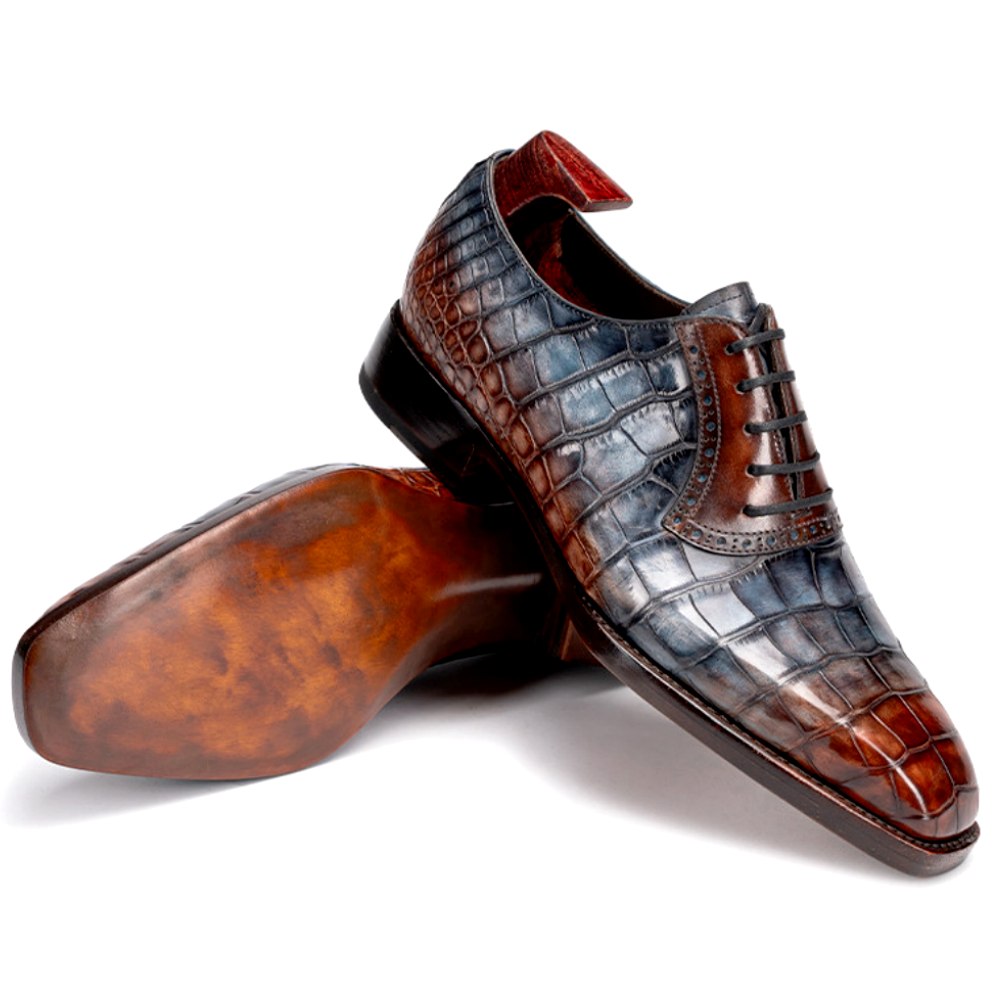
Leather Shoes with Leather Soles vs Rubber Soles.
There are leather and rubber soles which are intended to serve different purposes. Although the leather soles are considered to be the classic version, the rubber soles pay more attention to functionality and comfort.
It will be more beneficial to know how each type works so that you can make a better decision. There are special advantages to both materials, and they are determined by the place and the manner in which you wear your shoes.
What are Leather Soles?
Soles are crafted out of treated animal skin, normally very fine cow hide. They are usually used in formal shoes as well as dress shoes. These soles are appreciated because of their sophisticated look and masterfully crafted tradition. Gradually, they shape to your feet, providing a customized fit.
What are Rubber Soles?
Natural or synthetic rubber is used to make rubber soles. They are highly popular in casual, business casual, and even formal shoes. Rubber has a superior grip and cushion over leather. This renders it an excellent option for daily wear and in extended hours of walking.
Key Differences at a Glance
Soles made from leather and rubber have some significant distinctions. Leather soles look more elegant, while the rubber soles are more functional. Rubber has more traction, particularly on wet roads, compared to leather, which may be greasy. When it comes to longevity, rubber will last longer in harsh environments, while leather will need more attention.
The effects of Sole Material on Walking Experience.
The sole material is the one that will directly influence the kind of feeling that your shoes have when used. Soles made of leather are hard, but over time, they end up being more comfortable since they become adapt to the feet.
On the contrary, rubber soles will offer instant support and shock absorption. Rubber soles can be more comfortable if you walk a lot throughout the day. The leather soles are more formal and need to be shorter.
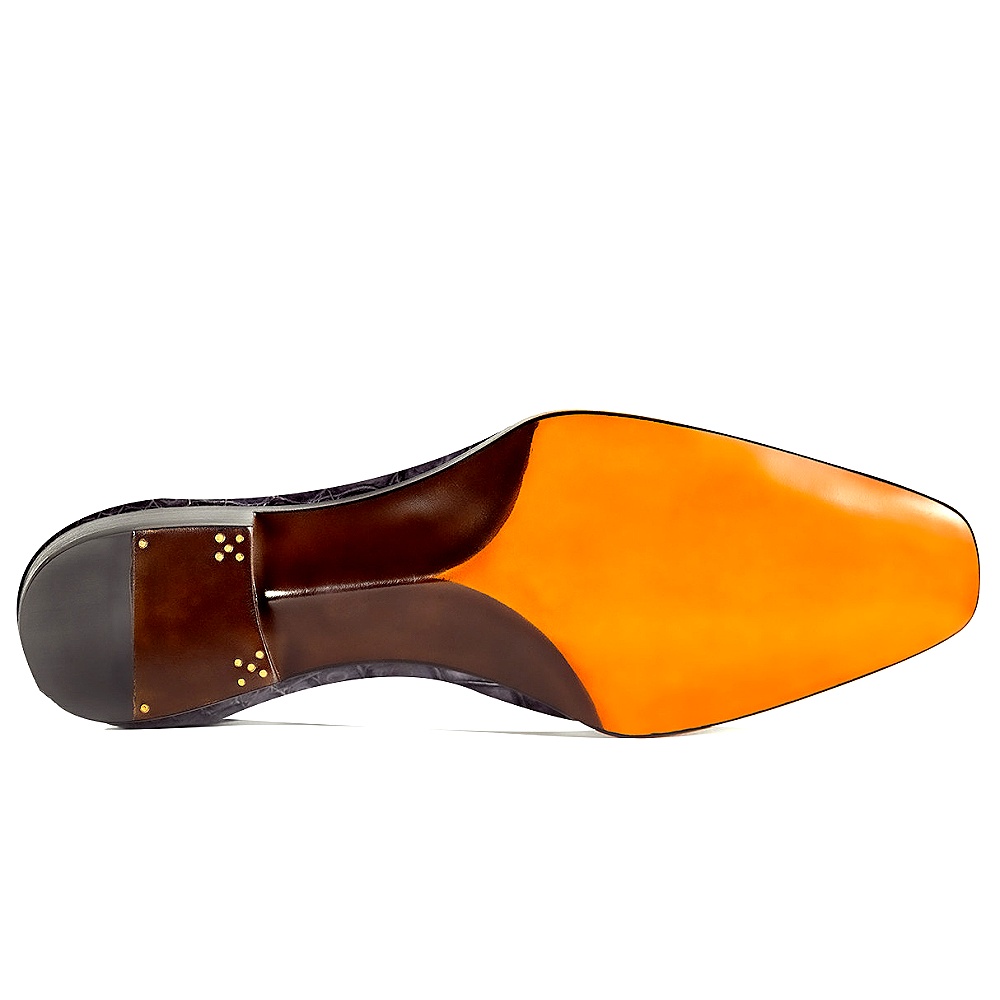
Advantages and Disadvantages of Leather Soles.
Leather soles are often associated with luxury and tradition. They are used in formal business and are worn as professional attire. Nevertheless, they do not always apply to all situations. Learning their pros and cons assists you in making decisions when they make the correct choice.
Benefits of Leather Soles
Leather soles provide a classic and high-end effect that provides a better long-lasting look to shoes. They are lightweight and can be breached, thus making your feet comfortable in the long run. They will slowly shape themselves to a foot form as you wear them, forming a personalized fit. This renders them more comfortable with more wear.
Disadvantages of Leather Soles.
Leather soles, though beautiful, have negative aspects. They may be slippery, particularly on wet or polished surfaces. They also are harder to wear when necessitating rough party use. They must also undergo regular maintenance to be maintained in good condition, and this may not be suitable for everyone.
Appropriate Times to Wear Leather Soles.
The soles should be leather, which is suited to formal occasions where looks are the most important. They can perform well in offices, business meetings, and special events. They are more effective when worn in dry situations with minimal chances of slipping. Leather soles would be a good choice if style and sophistication are your priority.
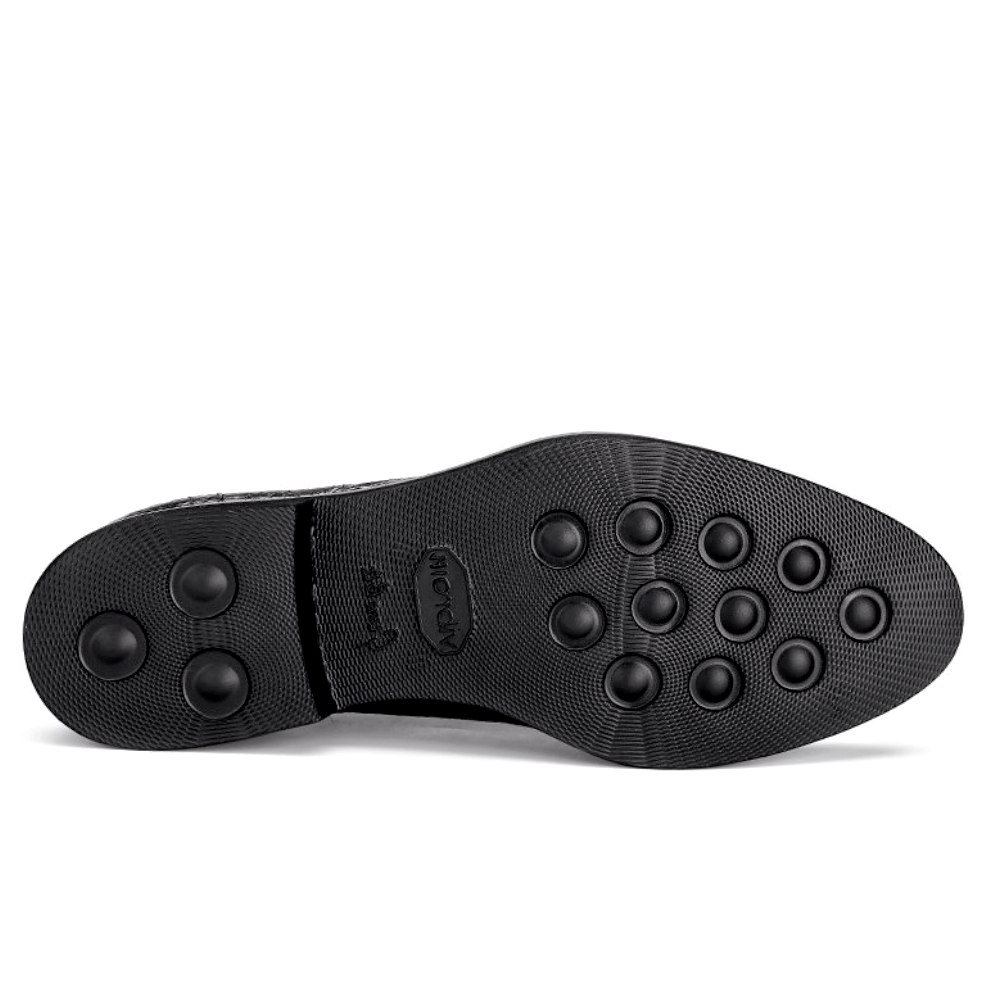
Advantages and Disadvantages of Rubber Soles.
Rubber soles are designed with practicality in mind. They are highly worn in the day-to-day activities because they are comfortable and durable. They might not be as beautiful as leather, but they have a couple of practical benefits. They offer a more comfortable and performance-balanced feature to many users.
Benefits of Rubber Soles
The soles made of rubber give a good grip, preventing the chance of slipping on the wet or rough floor. They are also very strong, and they can be worn every day without dwindling in size. They are safe in their shock absorption, and are comfortable in long sessions of walking. These features render them a solid alternative to wear every single day.
Disadvantages of Rubber Soles.
Soles made of rubber might not be as elegant to look at as leather. They may also weigh more heavily, particularly in dense designs. In the long run, they might not wear in the same character as leather soles or have the same aging effect. They may not necessarily be the best when it comes to formal occasions.
Most Appropriate Time to Wear Rubber Soles.
Daily wear Rubber soles are suitable for commuting, traveling, or walking. They are good on wet or rough roads, where gripping is a consideration. Rubber soles will be more comfortable and supportive, especially when spending much of your time on your feet. They present a feasible option in active lifestyles.
Choosing the Right Sole
By considering how and where you will wear your shoes, you can make a better decision. The correct decision is one that is balanced in terms of style, comfort, and functionality.
Think of your style of wear and living.
Consider the frequency you will wear the shoes and where you will wear them. Leather soles might be better fitted to you if you have case work or attend formal office jobs most. Rubber soles are more convenient to wear on a daily basis or spend long periods of time walking. Your daily routine should be a guide to your decision.
Which is more important style or function?
If appearance is what you value most, then having leather soles are better. They offer a sleek and polished look that complements formal outfits. But if comfort and durability are important, rubber soles perform better. It is important to have a balance between style and functionality.
Climate and environmental factors
Weather conditions are also crucial. Leather soles are good and durable in dry weather. Rubber soles are preferable in terribly rainy or sticky conditions. Think about those surfaces on which you walk every day, as this influences grip and durability.
Conclusion
Both leather and the rubber soles have their pros and cons and neither of them is overall superior. Leather soles can be worn as they are elegant and traditional, while rubber soles are comfortable and practical.
The decision will be the right one depending on your lifestyle, the environment, and yourself. With this knowledge, you can put on shoes that not only appear nice but also, they can work in your day-to-day life.
Related Shoes Guides
 https://www.crocodile-bag.com/wp-content/uploads/2026/08/Are-Crocodile-Shoes-Legal.jpg
1000
1000
Jacket Gaoyzy
https://www.crocodile-bag.com/wp-content/uploads/2018/11/BRUCEGAO-Crocodile-Bags-Logo.png
Jacket Gaoyzy2026-08-25 02:57:522026-08-25 02:59:21Are Crocodile Shoes and Boots Legal
https://www.crocodile-bag.com/wp-content/uploads/2026/08/Are-Crocodile-Shoes-Legal.jpg
1000
1000
Jacket Gaoyzy
https://www.crocodile-bag.com/wp-content/uploads/2018/11/BRUCEGAO-Crocodile-Bags-Logo.png
Jacket Gaoyzy2026-08-25 02:57:522026-08-25 02:59:21Are Crocodile Shoes and Boots Legal https://www.crocodile-bag.com/wp-content/uploads/2026/06/Top-10-Crocodile-Shoes-Brands-for-Men.jpg
800
800
Jacket Gaoyzy
https://www.crocodile-bag.com/wp-content/uploads/2018/11/BRUCEGAO-Crocodile-Bags-Logo.png
Jacket Gaoyzy2026-06-01 00:52:362026-06-18 09:24:44Top 10 Crocodile Shoes Brands for Men in 2026
https://www.crocodile-bag.com/wp-content/uploads/2026/06/Top-10-Crocodile-Shoes-Brands-for-Men.jpg
800
800
Jacket Gaoyzy
https://www.crocodile-bag.com/wp-content/uploads/2018/11/BRUCEGAO-Crocodile-Bags-Logo.png
Jacket Gaoyzy2026-06-01 00:52:362026-06-18 09:24:44Top 10 Crocodile Shoes Brands for Men in 2026 https://www.crocodile-bag.com/wp-content/uploads/2026/05/Reasons-Quality-Leather-Shoes-Matter-More-as-We-Get-Older.jpg
800
800
Jacket Gaoyzy
https://www.crocodile-bag.com/wp-content/uploads/2018/11/BRUCEGAO-Crocodile-Bags-Logo.png
Jacket Gaoyzy2026-05-25 00:00:472026-05-25 00:00:49Why Quality Leather Shoes Matter More as We Get Older
https://www.crocodile-bag.com/wp-content/uploads/2026/05/Reasons-Quality-Leather-Shoes-Matter-More-as-We-Get-Older.jpg
800
800
Jacket Gaoyzy
https://www.crocodile-bag.com/wp-content/uploads/2018/11/BRUCEGAO-Crocodile-Bags-Logo.png
Jacket Gaoyzy2026-05-25 00:00:472026-05-25 00:00:49Why Quality Leather Shoes Matter More as We Get Older https://www.crocodile-bag.com/wp-content/uploads/2026/05/What-to-Look-for-Before-Buying-Leather-Wingtip-Oxfords.jpg
800
800
Jacket Gaoyzy
https://www.crocodile-bag.com/wp-content/uploads/2018/11/BRUCEGAO-Crocodile-Bags-Logo.png
Jacket Gaoyzy2026-05-13 02:33:572026-05-13 02:34:00What to Look for Before Buying Leather Wingtip Oxfords
https://www.crocodile-bag.com/wp-content/uploads/2026/05/What-to-Look-for-Before-Buying-Leather-Wingtip-Oxfords.jpg
800
800
Jacket Gaoyzy
https://www.crocodile-bag.com/wp-content/uploads/2018/11/BRUCEGAO-Crocodile-Bags-Logo.png
Jacket Gaoyzy2026-05-13 02:33:572026-05-13 02:34:00What to Look for Before Buying Leather Wingtip Oxfords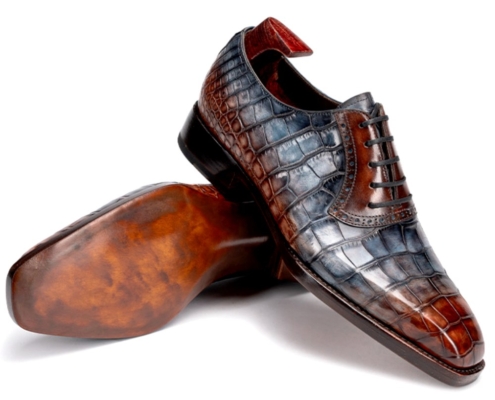 https://www.crocodile-bag.com/wp-content/uploads/2026/05/Leather-Shoes-with-Leather-Soles-vs-Rubber-Soles.jpg
1000
1000
Jacket Gaoyzy
https://www.crocodile-bag.com/wp-content/uploads/2018/11/BRUCEGAO-Crocodile-Bags-Logo.png
Jacket Gaoyzy2026-05-07 02:54:222026-05-07 02:55:49Leather or Rubber Soles? Picking the Right One for Your Leather Shoes
https://www.crocodile-bag.com/wp-content/uploads/2026/05/Leather-Shoes-with-Leather-Soles-vs-Rubber-Soles.jpg
1000
1000
Jacket Gaoyzy
https://www.crocodile-bag.com/wp-content/uploads/2018/11/BRUCEGAO-Crocodile-Bags-Logo.png
Jacket Gaoyzy2026-05-07 02:54:222026-05-07 02:55:49Leather or Rubber Soles? Picking the Right One for Your Leather Shoes https://www.crocodile-bag.com/wp-content/uploads/2026/04/7-Mistakes-That-Can-Damage-Your-Leather-Shoes.jpg
1000
1000
Jacket Gaoyzy
https://www.crocodile-bag.com/wp-content/uploads/2018/11/BRUCEGAO-Crocodile-Bags-Logo.png
Jacket Gaoyzy2026-04-08 04:40:192026-04-08 04:40:227 Mistakes That Can Damage Your Leather Shoes
https://www.crocodile-bag.com/wp-content/uploads/2026/04/7-Mistakes-That-Can-Damage-Your-Leather-Shoes.jpg
1000
1000
Jacket Gaoyzy
https://www.crocodile-bag.com/wp-content/uploads/2018/11/BRUCEGAO-Crocodile-Bags-Logo.png
Jacket Gaoyzy2026-04-08 04:40:192026-04-08 04:40:227 Mistakes That Can Damage Your Leather Shoes https://www.crocodile-bag.com/wp-content/uploads/2026/02/How-to-Choose-the-Right-Leather-Shoes-Color-for-Men-in-2026.jpg
800
800
Jacket Gaoyzy
https://www.crocodile-bag.com/wp-content/uploads/2018/11/BRUCEGAO-Crocodile-Bags-Logo.png
Jacket Gaoyzy2026-02-28 03:59:412026-02-28 03:59:45How to Choose the Right Leather Shoes Color for Men in 2026?
https://www.crocodile-bag.com/wp-content/uploads/2026/02/How-to-Choose-the-Right-Leather-Shoes-Color-for-Men-in-2026.jpg
800
800
Jacket Gaoyzy
https://www.crocodile-bag.com/wp-content/uploads/2018/11/BRUCEGAO-Crocodile-Bags-Logo.png
Jacket Gaoyzy2026-02-28 03:59:412026-02-28 03:59:45How to Choose the Right Leather Shoes Color for Men in 2026? https://www.crocodile-bag.com/wp-content/uploads/2026/02/Suede-Loafers-vs-Leather-Loafers-Which-is-Better-for-You.jpg
800
800
Jacket Gaoyzy
https://www.crocodile-bag.com/wp-content/uploads/2018/11/BRUCEGAO-Crocodile-Bags-Logo.png
Jacket Gaoyzy2026-02-08 02:13:022026-02-08 02:13:05Suede Loafers vs. Leather Loafers: Which is Better for You
https://www.crocodile-bag.com/wp-content/uploads/2026/02/Suede-Loafers-vs-Leather-Loafers-Which-is-Better-for-You.jpg
800
800
Jacket Gaoyzy
https://www.crocodile-bag.com/wp-content/uploads/2018/11/BRUCEGAO-Crocodile-Bags-Logo.png
Jacket Gaoyzy2026-02-08 02:13:022026-02-08 02:13:05Suede Loafers vs. Leather Loafers: Which is Better for You https://www.crocodile-bag.com/wp-content/uploads/2025/12/Leather-Sneakers-vs-Fabric-Sneakers-Which-Is-Better.jpg
800
800
Jacket Gaoyzy
https://www.crocodile-bag.com/wp-content/uploads/2018/11/BRUCEGAO-Crocodile-Bags-Logo.png
Jacket Gaoyzy2025-12-31 06:14:392025-12-31 06:20:52Leather Sneakers vs. Fabric Sneakers: Which Is Better?
https://www.crocodile-bag.com/wp-content/uploads/2025/12/Leather-Sneakers-vs-Fabric-Sneakers-Which-Is-Better.jpg
800
800
Jacket Gaoyzy
https://www.crocodile-bag.com/wp-content/uploads/2018/11/BRUCEGAO-Crocodile-Bags-Logo.png
Jacket Gaoyzy2025-12-31 06:14:392025-12-31 06:20:52Leather Sneakers vs. Fabric Sneakers: Which Is Better?
