
The History of Leather Goods: From Ancient Times to Modern Fashion
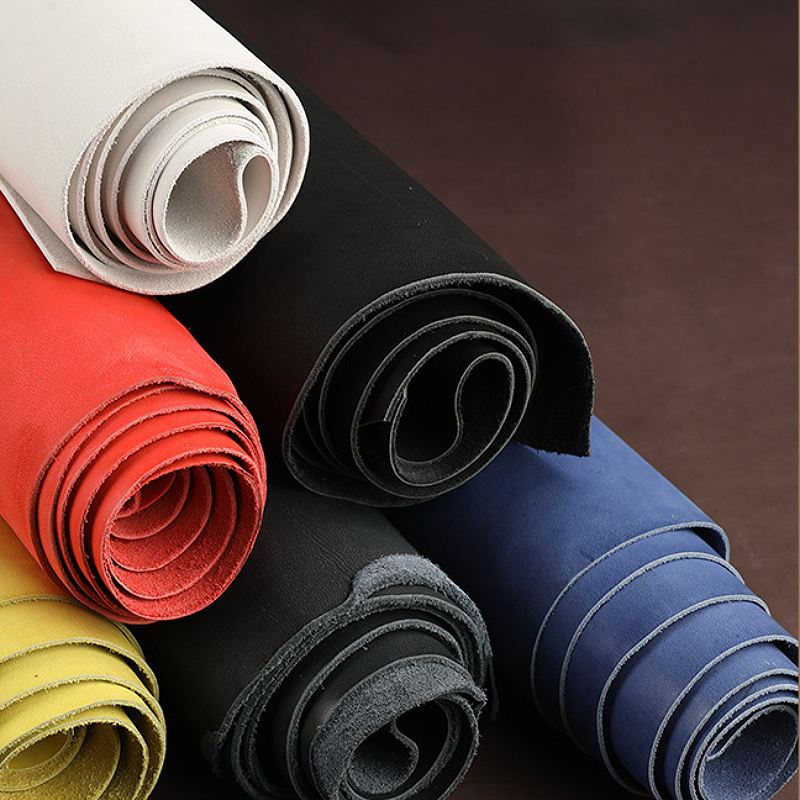
Leather is not a very recent thing and something we have used in our lives for centuries. It originated as a survival material and gradually grew into a meaningful part of the style, workmanship and luxury. Leather is the icon of power and style today.
You can find out why it still has some relevance and you only have to look at how it has changed since ancient times to date.
Leather in Ancient Civilizations
In the old days, early civilization people chose leather as a tough and flexible material to survive. Leather became one of the necessities before metal tools and clothes were introduced.
Early Leather-Making Processes
Throughout the world, leather was first made by removing hair or fur from the body of an animal such as a cow, sheep, or goat to produce leathers and hides used for a variety of purposes.
They would either hang out in the sun, smoke it or rub it with animal fat to prevent decay. That was not ideal but at least that made the hide soft enough to make clothes, tents, bags, and shoes. It was all made using stone or bone.
Leather in Ancient Egypt
The Egyptians were the pioneers who used leather as a luxury. They used it to create sandals, belts, and straps, shields, etc. Leather was even a symbol of status, rich families used decorated leather to cushion their furniture and ceremonial clothes. Egyptian leather products were characterized by high quality and vivid designs.
Leather in Ancient Rome and Greece
The Roman and Greek societies depended so much on leather. Leather armor and sandals were worn by soldiers as they were lighter and more flexible compared to metal. The tools, bags, and straps used by farmers and laborers were made of leather. Leather was also used to make balls and protective equipment used by athletes.
Leather in Ancient China
The ancient China used leather stiff armor as well as horse gear. They often coated it with lacquer to make it shiny and durable. The leather was not only functional, but it was ornamental as well showing a taste of Chinese craftsmanship and style.
Leather Goods in the Medieval and Renaissance Periods
Leatherwork became a respected skill as societies became more complicated. The artisans formed guilds, and leather materials began to appear much more detailed and artistic.
Rise of Skilled Leather Craftsmen
During medieval times, leather tanning was a niche trade. Craftsmen figured out that the hides could be tanned with faster use by plant materials. Leatherworkers were assembling guilds with regulations on quality and cost. That was the reason the leather product standard was raised.
Leather in Armor and Warfare
The leather armor was the one to follow at that time as it provided reasonable protection without the weight of metal. The soldiers wore leather armour, helmets, and gloves and they made horse saddles and bridles, essential in a battle.
Leather in Daily Life
Leather appeared everywhere in daily life. People used leather pouches for carrying coins, belts for holding tools, and book covers for protecting handwritten manuscripts. Leather saddles, reins, and harnesses were necessities for travel. Ornamental leather workings were getting common, giving a sense of a fashion base.
Luxury Leather for Nobility
Leather had become a status symbol by the Renaissance. Nobles wore embroidered leather clothes and rode on decorated leather trunks. Certain leather products were painted, tooled, or embossed with family crests. It was the first period that marked leather as a luxurious fashion accessory.
Leather in the Industrial Revolution
The Industrial Revolution changed everything. The introduction of new machines transformed the process of leather production into a much more efficient, smoother, and stable process.
Mass Production Techniques
Small workshops were replaced by factories. Leather could be cut, molded, and sewn by machines in a moment. That was cheap and the increased availability of leather. Tanning was also boosted, and new chemicals that accelerated the entire process were introduced.
Leather in Transportation
People spent more time traveling and thus required durable luggage. Leather trunks, suitcases, and travel bags became popular. Even the early cars used leather in their interior for seat comfortability and durability.
Everyday Items Became Cheap
It was the first time ordinary people had an opportunity to buy leather shoes, leather gloves, leather belts, and leather bags. Leather was no longer a luxury for wealthy people. It was introduced into daily life and provided people with comfort and utility for ordinary objects.
Leather from the 20th Century to Today
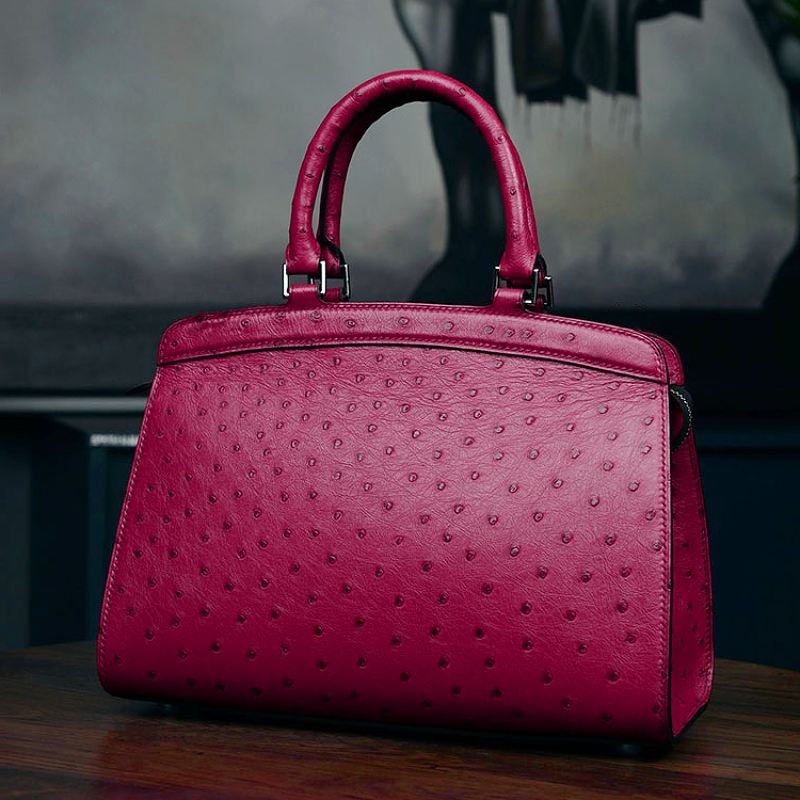
The development of leather continued through the 20th century and it became a major part of modern fashion and culture.
Leather in Military and Utility Gear
Soldiers prepare themselves with boots made of leather, jackets, belts and bags, since they managed to keep themselves safe in the rough. Many of our conventional fashions today like bomber jackets, combat boots, etc. Come from army leather fashions.
Leather in High Fashion
During the late 20th century, Italian, French, and U.S. designers began overlaying leather into luxury style. Dress shoes, jackets of custom fit, and luxury handbags became a symbol of status. The traditional brands were famous for high-quality leather work.
Rise of Exotic Leathers
Different leathers entered the fashion world as exotic leather including:
- Crocodile leather
- Alligator leather
- Ostrich leather
- Python leather
- Stingray skin
The exotic skins are unique in terms of their textures and pattern, a feature that saw them being used as a default option in high-end bags, shoes, belts, and wallets. They put a new touch of exclusivity on leather products.
Modern Tech and Leather Goods
Tech-leather is still making its way into tech products such as sleeves for laptop and a mobile phone case. Demonstrates that it follows the current and, at the same time, preserves the atmosphere of vintage.
Sustainable and Ethical Leather Trends
Consumers today are concerned with the planet’s sustainability. Some leather brands are replacing tanning with eco-friendly or dyeing with vegetable dyes and provide recycled leather. This reduces wastage and preserves the environment while offering the best quality goods.
Final Words
The path that leather took in its history as a primal survival material to the current fashion of luxurious leather is amazing. Its power, attractiveness, and flexibility have made it remain relevant over thousands of years. Leather is a mix of tradition and modern look no matter what you need: clothes, accessories, or technological devices. This is due to its long history, which makes leather be one of the most valued when compared to other materials in the world.
Related Leather Goods
 https://www.crocodile-bag.com/wp-content/uploads/2026/09/Top-Crocodile-Leather-Accessories-for-Women-in-2026-by-BRUCEGAO.jpg
1500
1500
Jacket Gaoyzy
https://www.crocodile-bag.com/wp-content/uploads/2018/11/BRUCEGAO-Crocodile-Bags-Logo.png
Jacket Gaoyzy2026-09-11 03:15:522026-09-11 03:15:55Top Crocodile Leather Accessories for Women in 2026 by BRUCEGAO
https://www.crocodile-bag.com/wp-content/uploads/2026/09/Top-Crocodile-Leather-Accessories-for-Women-in-2026-by-BRUCEGAO.jpg
1500
1500
Jacket Gaoyzy
https://www.crocodile-bag.com/wp-content/uploads/2018/11/BRUCEGAO-Crocodile-Bags-Logo.png
Jacket Gaoyzy2026-09-11 03:15:522026-09-11 03:15:55Top Crocodile Leather Accessories for Women in 2026 by BRUCEGAO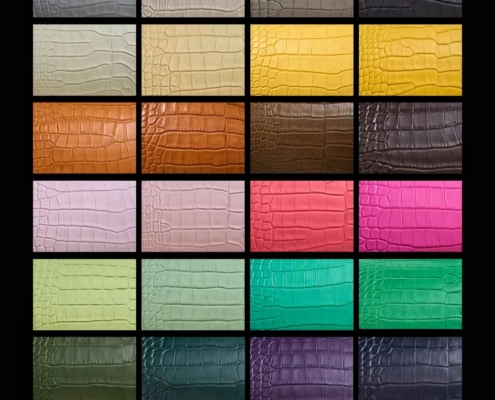 https://www.crocodile-bag.com/wp-content/uploads/2026/07/Popular-Crocodile-Leather-Colors.jpg
2006
1500
Jacket Gaoyzy
https://www.crocodile-bag.com/wp-content/uploads/2018/11/BRUCEGAO-Crocodile-Bags-Logo.png
Jacket Gaoyzy2026-07-26 07:34:202026-07-26 07:34:22The Most Popular Crocodile Leather Colors for 2026
https://www.crocodile-bag.com/wp-content/uploads/2026/07/Popular-Crocodile-Leather-Colors.jpg
2006
1500
Jacket Gaoyzy
https://www.crocodile-bag.com/wp-content/uploads/2018/11/BRUCEGAO-Crocodile-Bags-Logo.png
Jacket Gaoyzy2026-07-26 07:34:202026-07-26 07:34:22The Most Popular Crocodile Leather Colors for 2026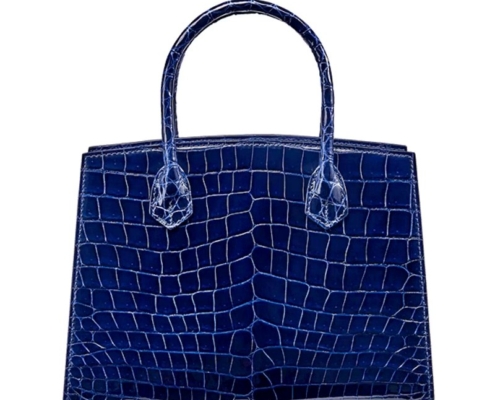 https://www.crocodile-bag.com/wp-content/uploads/2026/05/How-to-Choose-the-Perfect-Leather-Handbag-Color-for-Women-in-Their-40s-and-50s.jpg
800
800
Jacket Gaoyzy
https://www.crocodile-bag.com/wp-content/uploads/2018/11/BRUCEGAO-Crocodile-Bags-Logo.png
Jacket Gaoyzy2026-05-01 00:15:362026-05-01 00:15:40How to Choose the Perfect Leather Handbag Color for Women in Their 40s and 50s?
https://www.crocodile-bag.com/wp-content/uploads/2026/05/How-to-Choose-the-Perfect-Leather-Handbag-Color-for-Women-in-Their-40s-and-50s.jpg
800
800
Jacket Gaoyzy
https://www.crocodile-bag.com/wp-content/uploads/2018/11/BRUCEGAO-Crocodile-Bags-Logo.png
Jacket Gaoyzy2026-05-01 00:15:362026-05-01 00:15:40How to Choose the Perfect Leather Handbag Color for Women in Their 40s and 50s?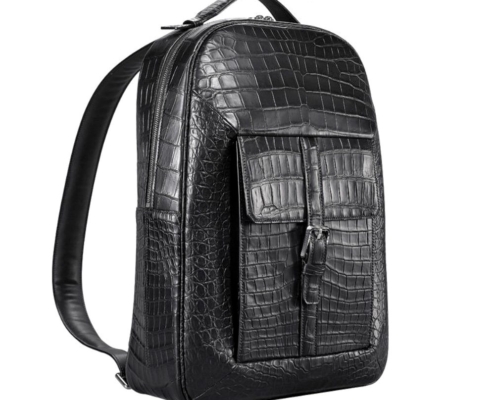 https://www.crocodile-bag.com/wp-content/uploads/2026/04/Leather-Laptop-Backpack-is-Worth-the-Investment.jpg
1000
1000
Jacket Gaoyzy
https://www.crocodile-bag.com/wp-content/uploads/2018/11/BRUCEGAO-Crocodile-Bags-Logo.png
Jacket Gaoyzy2026-04-26 07:18:212026-04-26 07:18:24Why a Leather Laptop Backpack is Worth the Investment?
https://www.crocodile-bag.com/wp-content/uploads/2026/04/Leather-Laptop-Backpack-is-Worth-the-Investment.jpg
1000
1000
Jacket Gaoyzy
https://www.crocodile-bag.com/wp-content/uploads/2018/11/BRUCEGAO-Crocodile-Bags-Logo.png
Jacket Gaoyzy2026-04-26 07:18:212026-04-26 07:18:24Why a Leather Laptop Backpack is Worth the Investment?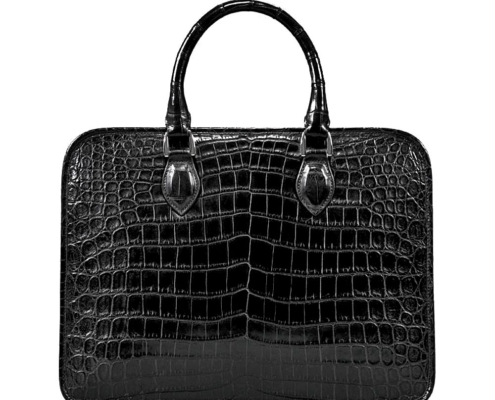 https://www.crocodile-bag.com/wp-content/uploads/2026/04/How-Much-Weight-Can-a-Leather-Briefcase-Carry-for-Life.jpg
1000
1000
Jacket Gaoyzy
https://www.crocodile-bag.com/wp-content/uploads/2018/11/BRUCEGAO-Crocodile-Bags-Logo.png
Jacket Gaoyzy2026-04-20 08:37:192026-04-20 08:37:23How Much Weight Can a Leather Briefcase Carry for Life
https://www.crocodile-bag.com/wp-content/uploads/2026/04/How-Much-Weight-Can-a-Leather-Briefcase-Carry-for-Life.jpg
1000
1000
Jacket Gaoyzy
https://www.crocodile-bag.com/wp-content/uploads/2018/11/BRUCEGAO-Crocodile-Bags-Logo.png
Jacket Gaoyzy2026-04-20 08:37:192026-04-20 08:37:23How Much Weight Can a Leather Briefcase Carry for Life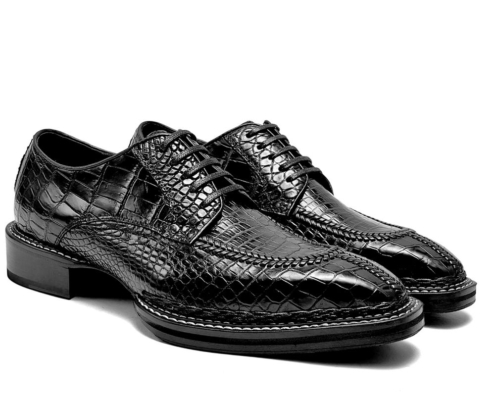 https://www.crocodile-bag.com/wp-content/uploads/2026/04/7-Mistakes-That-Can-Damage-Your-Leather-Shoes.jpg
1000
1000
Jacket Gaoyzy
https://www.crocodile-bag.com/wp-content/uploads/2018/11/BRUCEGAO-Crocodile-Bags-Logo.png
Jacket Gaoyzy2026-04-08 04:40:192026-04-08 04:40:227 Mistakes That Can Damage Your Leather Shoes
https://www.crocodile-bag.com/wp-content/uploads/2026/04/7-Mistakes-That-Can-Damage-Your-Leather-Shoes.jpg
1000
1000
Jacket Gaoyzy
https://www.crocodile-bag.com/wp-content/uploads/2018/11/BRUCEGAO-Crocodile-Bags-Logo.png
Jacket Gaoyzy2026-04-08 04:40:192026-04-08 04:40:227 Mistakes That Can Damage Your Leather Shoes https://www.crocodile-bag.com/wp-content/uploads/2026/04/Are-Bucket-Bags-Still-in-Style-in-2026.jpg
1000
1000
Jacket Gaoyzy
https://www.crocodile-bag.com/wp-content/uploads/2018/11/BRUCEGAO-Crocodile-Bags-Logo.png
Jacket Gaoyzy2026-04-02 03:07:022026-04-02 03:07:04Are Bucket Bags Still in Style in 2026
https://www.crocodile-bag.com/wp-content/uploads/2026/04/Are-Bucket-Bags-Still-in-Style-in-2026.jpg
1000
1000
Jacket Gaoyzy
https://www.crocodile-bag.com/wp-content/uploads/2018/11/BRUCEGAO-Crocodile-Bags-Logo.png
Jacket Gaoyzy2026-04-02 03:07:022026-04-02 03:07:04Are Bucket Bags Still in Style in 2026 https://www.crocodile-bag.com/wp-content/uploads/2026/03/Luxury-Leather-Briefcases-for-Men-in-Their-40s.jpg
800
800
Jacket Gaoyzy
https://www.crocodile-bag.com/wp-content/uploads/2018/11/BRUCEGAO-Crocodile-Bags-Logo.png
Jacket Gaoyzy2026-03-27 02:51:102026-03-27 02:51:12Luxury Leather Briefcases for Men in Their 40s
https://www.crocodile-bag.com/wp-content/uploads/2026/03/Luxury-Leather-Briefcases-for-Men-in-Their-40s.jpg
800
800
Jacket Gaoyzy
https://www.crocodile-bag.com/wp-content/uploads/2018/11/BRUCEGAO-Crocodile-Bags-Logo.png
Jacket Gaoyzy2026-03-27 02:51:102026-03-27 02:51:12Luxury Leather Briefcases for Men in Their 40s https://www.crocodile-bag.com/wp-content/uploads/2026/03/What-is-the-Classiest-Handbag-Color-in-2026-Black-Handbag.jpg
800
800
Jacket Gaoyzy
https://www.crocodile-bag.com/wp-content/uploads/2018/11/BRUCEGAO-Crocodile-Bags-Logo.png
Jacket Gaoyzy2026-03-21 02:29:512026-03-21 02:48:17What is the Classiest Handbag Color in 2026
https://www.crocodile-bag.com/wp-content/uploads/2026/03/What-is-the-Classiest-Handbag-Color-in-2026-Black-Handbag.jpg
800
800
Jacket Gaoyzy
https://www.crocodile-bag.com/wp-content/uploads/2018/11/BRUCEGAO-Crocodile-Bags-Logo.png
Jacket Gaoyzy2026-03-21 02:29:512026-03-21 02:48:17What is the Classiest Handbag Color in 2026
