
Hard vs. Soft Shell Luggage: Which One Is Right for You?
Choosing the right luggage can make travel much easier and less stressful. Choosing hard shells and soft shell may be a great decision. Both have their advantages, and the best choice must be made depending on the way of travel, the luggage and the things of highest interest. This guide is going to discuss the differences to help you snatch the appropriate luggage.
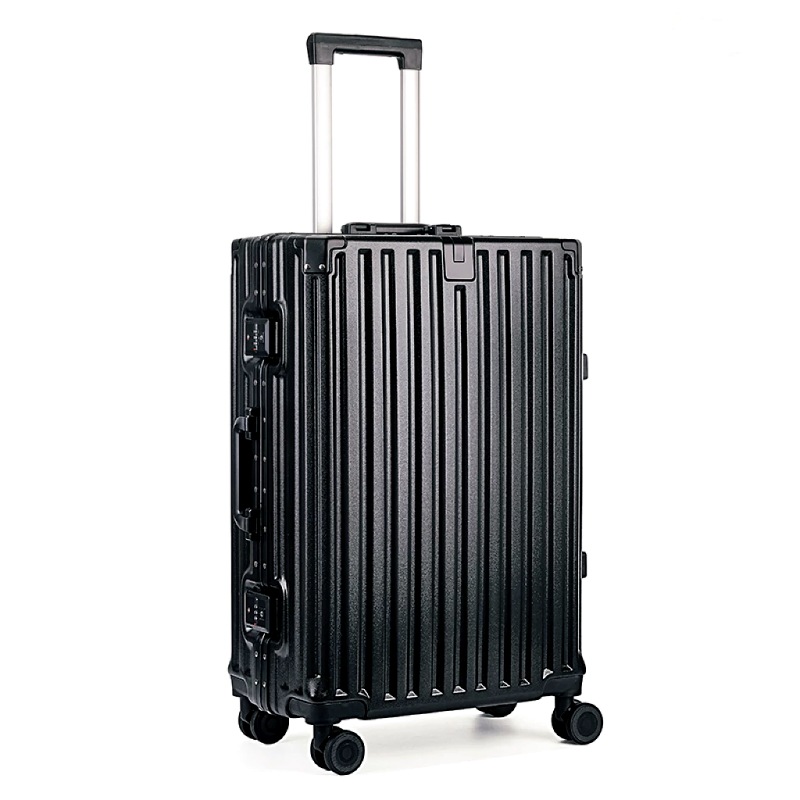
Understanding Hard Shell Luggage
It is known for its rigid exterior and sleek shape. Many of the travelers choose it because it is strong and provides an appropriate shape.
What Is Hard Shell Luggage Made of?
These are typically made using materials like polycarbonate, ABS plastic, or aluminum. They are hard materials that are supposed to protect whatever is inside. Polycarbonate is light and powerful, ABS is inexpensive and aluminum is very hard. Each of them provides the luggage with a firm feel and a smooth appearance.
Protection and Durability
The biggest benefit of hard shells is protection. The heavy shell protects your equipment against hits, falls, and strangles. It will ensure that your luggage is not mishandled by airport staff. It will not break or press under the load and will provide you with even greater peace of mind.
Water and Weather Resistance
Hard shell luggage is a sufficient way to keep the rain and moisture away. Water normally does not soak as it tends to slide. This comes in handy when one is walking in the rainy seasons or during snowy seasons. Although it is not waterproof, it is drier than most fabric-based ones.
Structure and Shape Retention
Hard shell luggage will never lose its shape. That makes things orderly and clean. Clothes stay flat, and items do not shift as much. The rigid design is useful when packing fragile material or stacking cases when travelling.
Weight and Handling
Hard shells may be heavier like the aluminum models. Newer models are, however, lightweight and can be moved around easily. Solid handles and smooth wheels will make you move inside airports or stations with hardly any effort.
Storage and Organization Inside
Perforated compartments with straps or zip covers are typically found inside hard shell luggage. Those hold your stuff, so it does not slide around. It simplifies the process of packing, and many people love that.
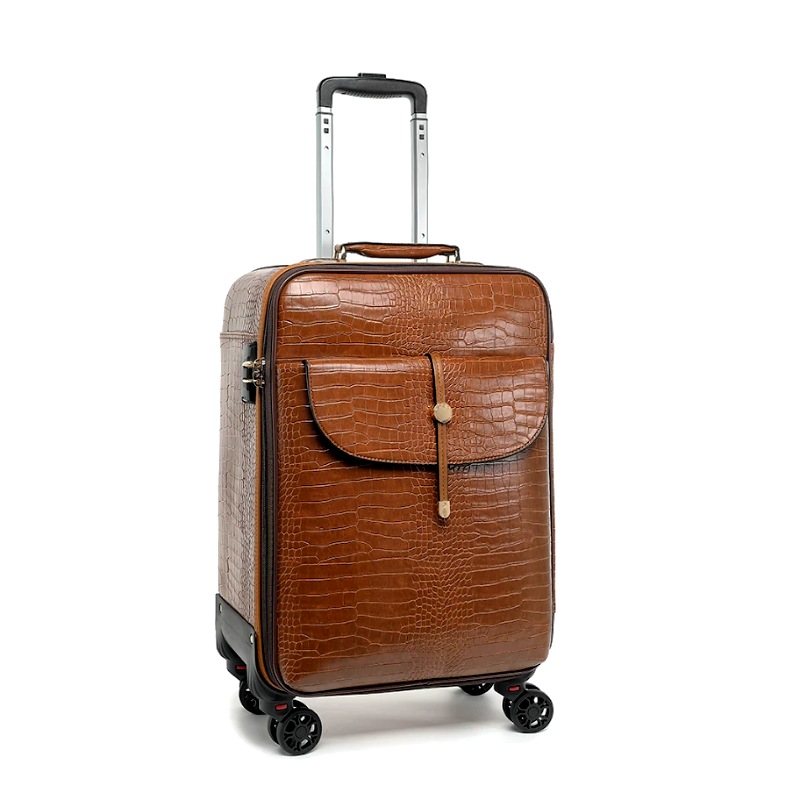
Understanding Soft Shell Luggage
Flexibility and convenience are the keys to soft shell luggage. It is popular among those who travel and need to get somewhere fast with additional space.
What is Soft Shell Luggage Made of?
These are mostly made from nylon or polyester. Those are light and elastic fabrics. They also feature good, reinforced corners to strengthen the weak points, a large fraction of them.
Expandability and Flexibility
One major benefit of soft shell luggage is flexibility. The fabric is stretchy to an extent, thus able to fit in a bit more. Most of the soft-shell ones contain expansion zippers as well, so you get a little more room when you need it.
Exterior Pockets and Accessibility
Soft shell luggage tends to be full of exterior pockets. Great when you need a short list of things – papers, chargers, snacks and so on. That also comes in handy at the time of checking security.
Weight and Ease of Carrying
Soft shell luggage is generally lighter as compared to their counterparts (hard-shell). It means that you may lift, move, or fit it into an overhead storage with less effort. Travelers who move often or walk long distances may prefer this lighter feel.
Resistance to Wear and Tear
Scuffs and scratches can be fairly covered by soft shell luggage, they are not visible as distinctly as on hard shells. Nevertheless, It may degrade over time with regular use.
Weather Protection
The majority of soft shell luggage is not waterproof, but rather water-resistant. A little drizzle will not make a difference however downpours may creep in provided the material is not treated. Others are coated with additional layers to ensure additional protection.
Hard vs. Soft Shell Luggage: Key Comparisons
With the two compared side by side, the decision is simpler.
Protection for Contents
Hard shells offer more protection to delicate items. Soft shells are not so strong, but are good enough for clothes and other plush items.
Space Management and Packing Style.
Hard shells are excellent if you like having neat things. Soft shells have an advantage in that you have space to stuff in more or simply bend.
Environment and Use Cases of Travel.
Hard shells will keep you at ease when you are flying or on long hauls. Soft shells are easier to go with when you are on a road trip or when going on a fast getaway.
Security and locking features.
Hard shells normally consist of built-in locks. Most of them are soft and require zipper locks, which are not very safe.
Cleaning and Maintenance
Hard shells are very easy to wipe clean. Soft ones may require a more thorough cleaning if they are stained.
Long Term Value
Even heavy use of hard shells offers long-lasting experience. The soft shells are cheap but may require replacement earlier.
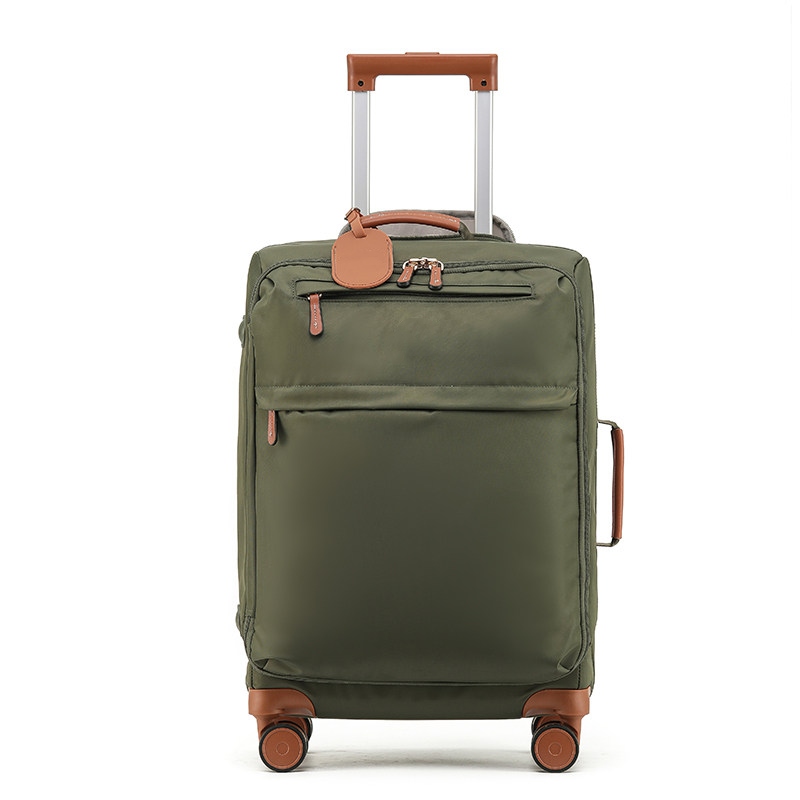
Which type of Luggage suits you?
Choose the appropriate luggage depending on your travel requirements.
For Business Travelers
Hard shell luggage offers a clean, professional look and keeps items protected.
For Frequent Flyers
When flying regularly, hard shells are more resistant to the rough treatment and remain in place in the long run.
For Family Travel
In case of family trips, soft shells are lighter, and easier to handle particularly when having kids.
For Adventure and Outdoor Trips
Soft shells are more suitable in tight spaces and irregular places for storage when adventure and outdoor trips are considered.
For Short vs Long Trips
Soft shell luggage is suitable for short trips. Hard shell structure is beneficial for long trips.
Conclusion
There are obvious advantages of both hard shell and soft shell luggage. Hard shell luggage is protective, structural and durable. Lightweight, ability to fit easily, and flexibility are all offered by soft shell luggage. The correct option is dependent on what you would need with regard to travel and packing.


Share